

Understanding the Need for Water Drilling
Access to clean, reliable water is essential for life. In remote regions, where surface water sources may be scarce or contaminated, finding water can be challenging. Many communities rely on water drilling to access underground aquifers. This method helps secure a steady supply of potable water.
Water drilling provides a practical and effective solution for these areas. It allows access to groundwater that is often less affected by pollutants. For more information on water drilling solutions, visit www.mackinnonwatersundridge.com.
How Water Drilling Works
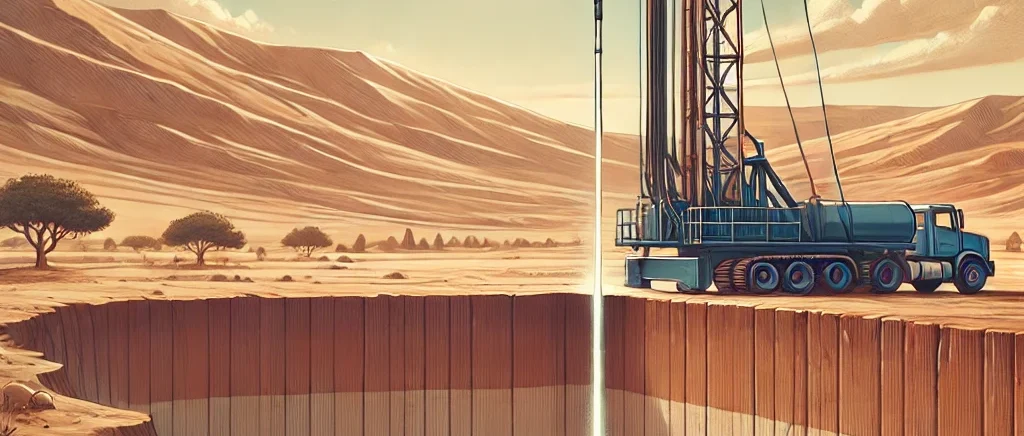
Water drilling involves boring into the earth to reach underground water reserves. These reserves are typically found in aquifers, which store water in porous rock layers. Drilling methods vary based on geological conditions, but the basic goal remains the same: to tap into a reliable water source below the ground.
Common drilling methods include rotary drilling, cable tool drilling, and percussion drilling. Rotary drilling is frequently used for deep wells, as it allows for quick and efficient penetration of hard rock. On the other hand, cable tool drilling is suitable for shallow wells and softer earth materials. Each method has its specific use case, making it important to choose the right one for the given location.
Benefits of Water Drilling for Remote Communities
For many remote communities, water drilling is essential for everyday life. Without it, residents often rely on distant or unreliable water sources, such as seasonal rivers or rainwater harvesting. Drilled wells provide a consistent water supply that can sustain a community year-round.
In areas with limited rainfall, drilled wells can serve as the primary water source. These wells also reduce the distance people need to travel for water, freeing up time for other essential activities. Furthermore, having a reliable water source helps improve public health, as residents no longer need to rely on untreated surface water.
The Environmental Impact of Water Drilling
While water drilling offers substantial benefits, it’s essential to manage the environmental impact. Over-extraction of groundwater can lead to issues such as aquifer depletion and land subsidence. However, when managed responsibly, drilled wells can offer sustainable water access without harming local ecosystems.
Monitoring water extraction levels is crucial to maintaining the health of the aquifer. Local authorities and drilling companies often collaborate to track water use and ensure sustainable practices. This balance is key to protecting water resources for future generations.
Challenges Faced in Remote Water Drilling Projects
Water drilling in remote areas comes with its unique challenges. One major obstacle is the lack of infrastructure, which can make it difficult to transport drilling equipment. Additionally, geological surveys and preliminary assessments are often necessary to locate viable drilling sites, which can be time-consuming and costly.
Funding can also be a hurdle for many communities. Drilling projects require significant upfront investment, covering everything from equipment to labor and permitting. This expense is often difficult for low-income communities to afford without external support or government assistance.
The Role of Technology in Modern Water Drilling
Technological advancements have greatly improved the efficiency and accuracy of water drilling. Modern drilling equipment is more capable of reaching deeper aquifers, while advanced sensors help identify suitable drilling sites with greater precision. This technological evolution has made water drilling more accessible and effective for remote regions.
Geological data analysis, for instance, allows drilling teams to assess groundwater levels and quality before they begin. Satellite mapping and 3D modeling also contribute to better planning, ensuring that communities invest in sustainable water sources.
Transforming Communities Through Reliable Water Access
Access to water changes lives, especially in areas where scarcity is a daily reality. Reliable water access helps communities flourish by supporting agriculture, improving sanitation, and reducing health risks. With clean water readily available, community members can focus on building their lives rather than sourcing water.
In areas facing water scarcity, drilled wells are often a game-changer. They provide the necessary stability for health, economic growth, and community development. By investing in water drilling, communities in remote regions can secure a brighter, healthier future.